
Health
Bolognese: The Rich Italian Sauce That Changed Pasta Forever


Introduction
Few dishes carry the same emotional warmth and culinary prestige as bolognese. The moment its slow-cooked aroma fills a kitchen, it creates a sense of comfort that feels almost universal. Deep, savory, and layered with flavor, bolognese has become far more than a regional Italian recipe. It is now a global symbol of hearty cooking, family gatherings, and patient craftsmanship.
Despite its worldwide popularity, many people misunderstand what authentic bolognese truly is. In countless restaurants outside Italy, the name is often attached to quick tomato-heavy meat sauces that share little resemblance to the traditional preparation from Bologna. Real bolognese is subtle rather than aggressively acidic, deeply meaty rather than overly saucy, and carefully balanced through hours of gentle cooking.
What makes bolognese remarkable is not only its taste but also its history. The sauce reflects centuries of Italian culinary evolution, agricultural traditions, and regional identity. Every ingredient serves a purpose, from the finely chopped soffritto to the slow integration of milk, wine, and meat. The dish rewards patience in a way modern fast cooking rarely does.
Today, bolognese remains one of the most respected sauces in Italian cuisine because it combines simplicity with extraordinary depth. It proves that ordinary ingredients, when treated with care and time, can become unforgettable.
What Is Bolognese
Bolognese is a slow-cooked Italian meat sauce that originated in the city of Bologna in northern Italy. Known in Italy as “ragù alla bolognese,” the sauce traditionally combines minced meat, onions, celery, carrots, wine, milk, and a modest amount of tomato. Unlike many red pasta sauces, authentic bolognese is built primarily around meat and aromatic vegetables rather than tomatoes alone.
READ MORE: Toastul and the Rise of a Curious Modern Food Identity
The texture of bolognese is one of its defining characteristics. It is thick, rich, and velvety rather than watery or overly smooth. Long simmering allows the ingredients to meld into a unified flavor where no single component dominates. The sauce clings naturally to pasta, particularly broader shapes such as tagliatelle, which are preferred in Bologna over spaghetti.
One of the most misunderstood aspects of bolognese is its relationship with pasta. Outside Italy, “spaghetti bolognese” became a common phrase, yet in traditional Italian cooking, spaghetti is rarely paired with the sauce. The wider surface of fresh egg pasta captures the dense ragù more effectively, creating a more balanced eating experience.
Bolognese also differs from southern Italian tomato sauces because of its northern Italian roots. Northern cuisine historically relied more on butter, cream, meats, and rich dairy products due to the region’s climate and agriculture. Those influences remain deeply embedded in the character of authentic bolognese today.
The Historical Origins of Bolognese
The story of bolognese stretches back centuries into the culinary traditions of Emilia-Romagna, one of Italy’s most celebrated food regions. Bologna itself has long been known for luxurious cooking and high-quality ingredients. Historians believe early forms of meat ragù appeared as far back as the Middle Ages, though they were quite different from modern versions.
By the eighteenth century, recipes resembling bolognese began appearing in Italian cookbooks. One early version included finely minced veal cooked with butter, onions, and broth. Tomatoes were not yet central to the recipe because they had only gradually become accepted in Italian cuisine after arriving from the Americas.
As Italian cooking evolved during the nineteenth century, tomatoes became more integrated into ragù preparations, though still used modestly. The balance between meat, dairy, wine, and tomato became the defining identity of bolognese. Families across Bologna developed their own variations, passing techniques through generations.
In 1982, the Italian Academy of Cuisine officially registered a traditional recipe for ragù alla bolognese with the Bologna Chamber of Commerce. This effort aimed to preserve the authenticity of the dish as international interpretations became increasingly distant from its roots.
Even with official recognition, bolognese continues to evolve. Modern chefs experiment with ingredients and techniques, yet the soul of the dish remains grounded in slow cooking, balanced richness, and respect for tradition.
The Essential Ingredients Behind Authentic Flavor
Authentic bolognese depends less on complexity and more on precision. Every ingredient contributes to the sauce’s final harmony. The foundation begins with soffritto, a finely chopped mixture of onion, celery, and carrot slowly cooked in butter or olive oil. This aromatic base creates sweetness and depth without overpowering the meat.
The meat itself is central. Traditional recipes often use beef, veal, or a mixture of meats. Some versions incorporate pancetta for additional richness. The meat is cooked carefully until browned yet tender, developing layers of savory flavor through caramelization.
Wine plays an important role in bolognese, usually white wine rather than red. The acidity balances the richness while adding subtle complexity. Milk is another defining ingredient that surprises many cooks unfamiliar with traditional Italian methods. It softens the acidity of the tomatoes and gives the sauce its characteristic silkiness.
Tomatoes are used with restraint. In authentic bolognese, they support the meat rather than dominate the sauce. Excessive tomato creates a completely different style of ragù.
The long cooking process is equally important. Bolognese is not meant to be rushed. Gentle simmering over several hours transforms separate ingredients into a unified sauce with remarkable depth and texture.
Why Slow Cooking Matters in Bolognese
The soul of bolognese lies in time. Fast cooking cannot replicate the transformation that occurs during slow simmering. As the sauce cooks gradually, moisture evaporates, flavors concentrate, and the proteins in the meat break down into tenderness.
This extended cooking process also changes the emotional experience of the dish. Bolognese is often associated with family Sundays, winter afternoons, and communal meals because it requires attention and patience. The preparation itself becomes part of the tradition.
Slow cooking allows the sweetness of carrots and onions to emerge naturally without needing added sugar. It softens the wine’s sharpness and helps the milk integrate seamlessly into the sauce. The result is a flavor profile that feels rounded, deep, and comforting rather than aggressive.
Another important aspect is texture. Properly cooked bolognese develops a luxurious consistency where the meat remains distinct yet cohesive. It should never resemble a thin soup or a heavily blended puree.
Many chefs believe bolognese tastes even better the next day. Resting overnight allows the flavors to settle and deepen further, which is why leftovers are often treasured.
Traditional Pasta Pairings for Bolognese
In Italy, pasta pairing is considered a serious culinary decision rather than an afterthought. Bolognese traditionally accompanies fresh egg-based pasta, especially tagliatelle. The broad ribbons provide enough surface area to hold the dense sauce effectively.
Fresh pasta works particularly well because its porous texture absorbs the richness of the ragù. Each bite becomes balanced, with neither pasta nor sauce overwhelming the other.
Lasagna is another classic partner for bolognese. In Emilia-Romagna, layers of fresh pasta sheets, béchamel sauce, and ragù create one of Italy’s most beloved baked dishes. Here, bolognese acts as the savory backbone that gives lasagna its profound depth.
Although spaghetti bolognese became internationally famous, many Italians view it as an adaptation rather than a traditional pairing. Spaghetti’s smooth, narrow shape struggles to capture the thick meat sauce properly.
Modern chefs have also experimented with bolognese alongside polenta, gnocchi, and stuffed pasta. These variations highlight the sauce’s versatility while preserving its essential character.
Regional Variations and Modern Interpretations
No Italian dish exists in a single rigid form, and bolognese is no exception. Even within Bologna, families debate the “correct” recipe. Some use pork alongside beef, while others favor veal. Certain households add chicken liver for extra richness, a technique rooted in older Italian cooking traditions.
Outside Italy, bolognese evolved dramatically as immigrants adapted recipes to available ingredients and local tastes. In some countries, the sauce became much heavier on tomato. In others, garlic and herbs were emphasized more strongly than in traditional northern Italian versions.
Contemporary chefs continue reinventing bolognese while respecting its foundations. Some prepare vegetarian versions using mushrooms, lentils, or walnuts to recreate the sauce’s hearty texture. Others experiment with duck, lamb, or wild game meats for a more robust flavor.
There are even seafood-inspired ragù dishes influenced by bolognese techniques. While purists may debate authenticity, these adaptations demonstrate the enduring influence of the original sauce.
What remains consistent across versions is the philosophy behind bolognese: careful layering of flavor, patience in cooking, and a focus on richness without excess.
The Cultural Importance of Bolognese
Bolognese represents more than food. In Italy, it reflects regional pride, culinary heritage, and family identity. Recipes are often inherited rather than formally measured, passed down through observation and repetition.
The sauce also symbolizes the Italian philosophy that cooking should nourish emotionally as well as physically. Preparing bolognese requires slowing down, paying attention, and respecting ingredients. In an increasingly hurried world, that approach feels almost rebellious.
Restaurants worldwide continue serving bolognese because it offers familiarity while still carrying an aura of authenticity and craftsmanship. Even people who know little about Italian cuisine often recognize the dish instantly.
Its global popularity has also made it a cultural bridge. Variations of bolognese appear in countless homes, adapted to local ingredients yet still connected to the traditions of Bologna.
Perhaps that is why the sauce endures. It combines history, comfort, and flavor in a way few dishes can match.
READ MORE: ordenari and the Rise of Ingredient-Led Skincare
Conclusion
Bolognese stands as one of the great achievements of Italian cooking because it transforms humble ingredients into something deeply memorable. Its richness does not come from extravagance but from patience, balance, and technique. Every stage of the process contributes to a sauce that feels both comforting and sophisticated.
Authentic bolognese is far more nuanced than the simplified versions often seen outside Italy. The careful use of meat, wine, milk, vegetables, and restrained tomato creates a layered flavor that rewards slow cooking and thoughtful preparation.
What truly makes bolognese special is its emotional connection to home cooking and tradition. It is a dish built around time, care, and shared experience. Whether served with fresh tagliatelle, layered into lasagna, or adapted into modern interpretations, bolognese continues to unite people around the table through warmth and flavor.
Its enduring popularity proves that truly great food never depends on trends. It depends on authenticity, patience, and the timeless pleasure of a meal made with intention.
FAQs
Is bolognese the same as spaghetti sauce?
No, authentic bolognese is different from standard spaghetti sauce. It is a slow-cooked meat ragù with limited tomato, while many spaghetti sauces focus primarily on tomatoes and herbs.
Why is milk added to bolognese?
Milk softens the acidity of the tomatoes and helps create the smooth, rich texture that defines traditional bolognese.
What pasta is traditionally served with bolognese?
In Bologna, tagliatelle is the traditional pasta served with bolognese because its broad surface holds the sauce effectively.
How long should bolognese cook?
Traditional bolognese usually simmers for at least two to four hours. Slow cooking allows the flavors to fully develop and blend together.
Can bolognese be made without beef?
Yes, many versions use pork, veal, or mixed meats. Modern interpretations also include vegetarian alternatives using mushrooms, lentils, or plant-based ingredients.
READ MORE: https://pamagazine.co.uk/

Introduction
Healthcare systems around the world are under constant pressure to become faster, more organized, and easier for patients to navigate. In many clinics and hospitals, one of the biggest frustrations has traditionally been the paperwork, appointment coordination, and communication gaps that slow down medical services. This is where docentry has started gaining attention as a practical and efficient solution for healthcare management and patient interaction.
Over the last few years, medical organizations have increasingly searched for systems that simplify administrative work while also improving the patient experience. Patients no longer want complicated registration processes, endless waiting room delays, or confusing communication channels. They expect convenience, quick responses, and transparent access to information. docentry has emerged as part of that broader transformation by helping healthcare providers streamline operations and improve accessibility.
The growing importance of organized healthcare technology has also changed how clinics handle patient records, scheduling, referrals, and medical workflows. Instead of relying on fragmented systems, many healthcare professionals now prefer centralized platforms that connect different parts of patient care into a single structure. docentry fits into this modern healthcare environment by offering tools designed to improve coordination, reduce inefficiencies, and support smoother interactions between medical staff and patients.
As healthcare becomes more patient-centered, platforms like docentry are becoming increasingly relevant. Their role is no longer limited to administrative support. They are now part of a larger effort to modernize healthcare communication, improve operational reliability, and create better overall medical experiences for both patients and providers.
What Is docentry
docentry is a healthcare-focused platform designed to support patient management, appointment coordination, and communication between healthcare providers and patients. The system is intended to simplify the administrative side of medical services while helping organizations maintain a more structured workflow.
READ MORE: obstetrika and the Changing Science of Safe Childbirth
At its core, docentry functions as a centralized solution that connects scheduling, patient interactions, and healthcare operations into a more manageable process. Instead of using multiple disconnected tools, clinics and healthcare organizations can use docentry to organize appointments, manage records, coordinate communication, and improve efficiency across different departments.
One of the reasons docentry has attracted interest is its emphasis on accessibility and workflow improvement. Medical staff often spend significant time handling repetitive administrative tasks, which can reduce the amount of attention available for patient care. By automating or simplifying some of these processes, docentry helps healthcare teams operate with greater consistency and speed.
The platform also reflects broader changes happening across the healthcare industry. Patients increasingly expect medical services to function with the same convenience they experience in other parts of everyday life. Appointment booking, notifications, reminders, and communication are now expected to be simple and responsive. docentry aligns with these expectations by supporting more organized and patient-friendly healthcare interactions.
The Growing Need for Healthcare Workflow Platforms
Modern healthcare environments are more complex than ever before. Clinics, hospitals, and specialty practices must handle growing patient volumes while maintaining accuracy, compliance, and efficient communication. Administrative delays can quickly create frustration for both healthcare professionals and patients.
Traditional healthcare systems often rely on outdated processes that involve excessive paperwork, manual scheduling, and fragmented communication. These inefficiencies can lead to missed appointments, duplicated information, and delays in treatment coordination. Healthcare workers frequently experience burnout because administrative responsibilities consume large portions of their daily schedules.
Platforms like docentry are designed to address these challenges by reducing operational friction. Instead of depending entirely on manual processes, healthcare organizations can create more connected systems where scheduling, patient communication, and information management work together more effectively.
This shift is particularly important because patient expectations have changed dramatically. Many individuals now compare healthcare experiences to other service industries where convenience and speed are standard. Long wait times and confusing communication systems are no longer accepted as unavoidable problems. Healthcare providers that modernize their operations are often better positioned to improve patient satisfaction and organizational performance.
docentry represents part of this broader evolution toward more organized and responsive healthcare management systems.
How docentry Improves Patient Experience
One of the strongest advantages associated with docentry is its focus on improving the patient journey. For many people, healthcare visits can already feel stressful or overwhelming. Administrative confusion only adds to that anxiety. A smoother and more predictable process can significantly improve patient comfort and confidence.
Appointment management plays a major role in this experience. Missed appointments, scheduling conflicts, and unclear communication are common issues in healthcare settings. docentry helps reduce these problems by supporting better appointment coordination and clearer communication between providers and patients.
Patients increasingly appreciate systems that provide reminders, easy scheduling access, and timely updates. These features may seem simple, but they can dramatically improve how patients perceive the quality and professionalism of healthcare services. When patients feel informed and organized, they are more likely to remain engaged with their treatment plans and maintain regular healthcare visits.
Another important factor is accessibility. Many patients struggle with complicated healthcare processes, especially older individuals or those managing chronic conditions. Platforms like docentry can simplify interactions by creating clearer pathways for communication and scheduling.
Healthcare providers also benefit because smoother patient experiences often reduce administrative disruptions. Staff members spend less time resolving scheduling errors or answering repetitive questions, allowing them to focus more directly on patient care.
The Administrative Impact of docentry
Administrative efficiency is one of the most critical factors in healthcare operations. Even highly skilled medical teams can struggle if organizational systems are disorganized or inefficient. Delays in scheduling, inconsistent communication, and fragmented records can affect the overall quality of care.
docentry addresses many of these operational concerns by supporting more streamlined workflows. Administrative teams often manage large amounts of patient information, appointment coordination, and communication responsibilities simultaneously. Without reliable systems, mistakes and delays become more likely.
One important advantage of centralized healthcare platforms is consistency. When information is managed through a unified structure, staff members can access schedules, patient interactions, and operational details more efficiently. This reduces confusion and helps improve coordination across departments.
Another significant benefit involves time management. Healthcare workers frequently spend hours handling repetitive administrative tasks that could be simplified through better systems. docentry helps reduce some of these burdens, allowing staff to allocate more time to meaningful patient interactions and clinical responsibilities.
Operational reliability also affects financial performance. Missed appointments, scheduling inefficiencies, and communication breakdowns can create unnecessary costs for healthcare organizations. Improved workflow systems help reduce these losses while supporting more stable operations.
Why Healthcare Technology Is Becoming Essential
The healthcare industry is experiencing rapid transformation driven by changing patient expectations, workforce challenges, and increasing operational demands. Technology is no longer viewed as an optional enhancement. For many healthcare organizations, it has become necessary for maintaining efficiency and competitiveness.
The pressure on healthcare systems continues to increase as populations grow and medical services become more specialized. Administrative complexity has expanded alongside these changes. Healthcare providers need systems capable of managing communication, coordination, and patient information effectively.
docentry reflects a larger movement toward healthcare modernization. Organizations are increasingly recognizing that operational efficiency directly affects patient outcomes, staff productivity, and overall service quality.
Another important factor is adaptability. Healthcare organizations must respond quickly to changing circumstances, including shifts in patient demand and evolving regulatory requirements. Flexible workflow systems can help organizations remain organized and responsive during periods of operational pressure.
Technology also supports better continuity of care. When communication systems are more organized, healthcare providers can coordinate patient interactions more effectively across different departments and specialties. This creates a more connected and reliable healthcare experience.
Security and Trust in Healthcare Platforms
Trust remains one of the most important foundations of healthcare. Patients expect their information to be handled responsibly and securely. Any healthcare platform must therefore prioritize confidentiality, reliability, and proper data management practices.
docentry operates within an environment where privacy and operational trust are extremely important. Healthcare organizations need systems that not only improve efficiency but also maintain professional standards for handling patient information.
As healthcare technology becomes more integrated into daily operations, concerns about information security continue to grow. Patients want reassurance that their records and communication remain protected. Healthcare providers also require systems that support compliance and responsible data management.
Reliable healthcare platforms must balance convenience with security. Fast access and streamlined communication should never compromise patient trust. Systems that achieve this balance are more likely to gain long-term adoption within healthcare organizations.
Trust also extends beyond technology itself. Patients often judge healthcare providers based on the smoothness and professionalism of administrative interactions. Efficient scheduling, accurate communication, and organized workflows contribute to a stronger sense of reliability and confidence.
The Future Potential of docentry
The future of healthcare management will likely depend heavily on connected and intelligent workflow systems. As patient expectations continue evolving, healthcare organizations will need increasingly sophisticated tools to maintain efficiency and quality care.
docentry is positioned within a healthcare environment that values accessibility, organization, and operational consistency. The growing emphasis on patient-centered care means platforms focused on smoother interactions and workflow optimization may continue gaining relevance.
Healthcare technology is also becoming more interconnected. Future systems may involve stronger integration between appointment management, patient communication, treatment coordination, and healthcare analytics. Platforms like docentry could become even more important as healthcare organizations seek unified operational structures.
Another likely development involves personalization. Patients increasingly expect healthcare experiences tailored to their needs and preferences. Efficient workflow systems may help providers deliver more responsive and individualized service.
The healthcare workforce itself may also benefit from continued workflow improvements. Administrative overload remains one of the biggest contributors to workplace stress in healthcare environments. Smarter organizational tools can help reduce inefficiencies and improve day-to-day operational stability.
READ MORE: pxless and the Quiet Shift Toward Smarter Web Design
Conclusion
docentry represents a broader shift toward more organized, efficient, and patient-focused healthcare management. As healthcare systems face increasing operational demands, platforms that improve workflow coordination and communication are becoming increasingly valuable.
The importance of healthcare efficiency extends far beyond convenience. Administrative organization affects patient satisfaction, staff productivity, operational reliability, and overall quality of care. By helping healthcare organizations manage appointments, communication, and workflows more effectively, docentry contributes to a smoother healthcare experience for both providers and patients.
The healthcare industry continues evolving rapidly, and organizations that embrace smarter operational systems are likely to adapt more successfully to changing expectations. Patients now expect accessibility, clarity, and responsiveness from healthcare providers. Platforms like docentry support these expectations while helping reduce administrative strain.
As healthcare technology continues advancing, the role of connected workflow systems will likely become even more significant. docentry reflects this ongoing transformation by offering a more structured and efficient approach to healthcare coordination and patient interaction.
FAQs
What is docentry mainly used for?
docentry is mainly used for healthcare workflow management, including appointment coordination, patient communication, and administrative organization within healthcare settings.
Is docentry only for large hospitals?
No, docentry can also be useful for clinics, specialty practices, and smaller healthcare organizations looking to improve operational efficiency and patient management.
How does docentry help patients?
docentry helps patients by supporting smoother appointment scheduling, better communication, reminders, and more organized healthcare interactions.
Why are healthcare workflow systems becoming more important?
Healthcare workflow systems are becoming more important because medical organizations face growing patient demands, administrative complexity, and higher expectations for efficiency and accessibility.
Can docentry improve healthcare staff productivity?
Yes, docentry can help improve productivity by reducing repetitive administrative tasks, improving coordination, and supporting more efficient workflow management for healthcare teams.
READ MORE: https://pamagazine.co.uk/
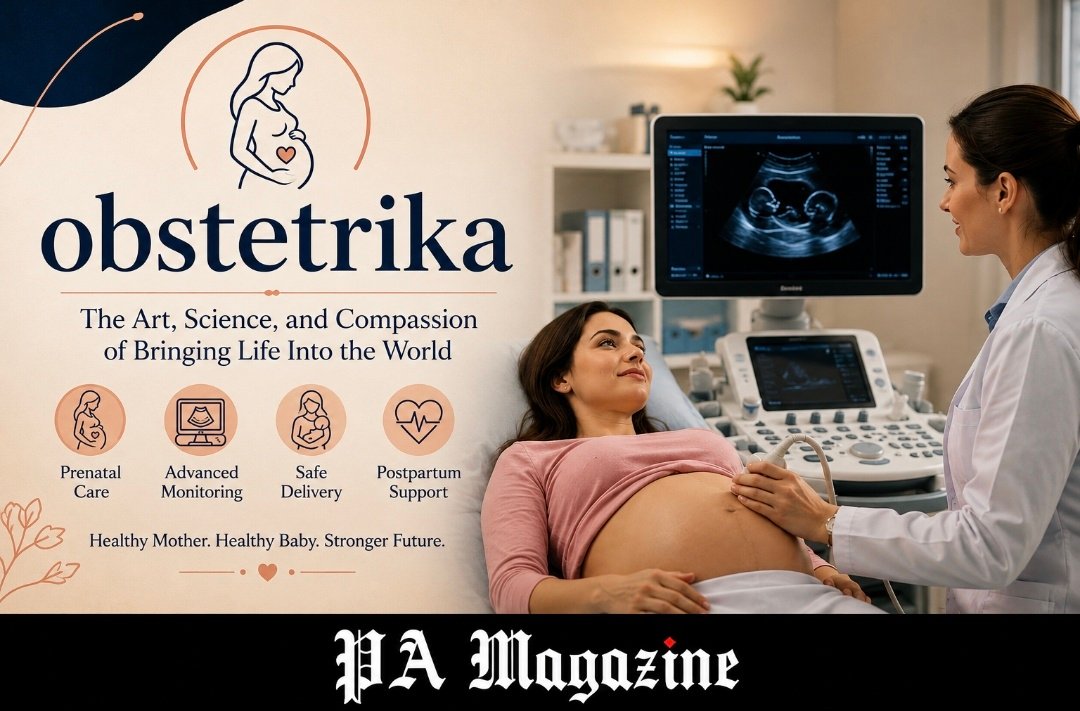
Introduction
Few areas of medicine carry as much emotional weight and human responsibility as obstetrika. The field stands at the intersection of science, compassion, emergency care, and family life, guiding women through one of the most transformative experiences the human body can endure. From monitoring fetal development to managing high-risk pregnancies and assisting safe deliveries, obstetrika plays a central role in reducing maternal and infant mortality across the world. What once relied heavily on traditional birth practices has evolved into a highly specialized medical discipline supported by advanced diagnostics, surgical precision, and evidence-based care.
The growing importance of obstetrika is closely linked to modern public health. As healthcare systems improve, more attention is being given to prenatal screening, maternal nutrition, psychological well-being, and neonatal safety. Yet the field is not limited to hospitals and operating rooms. It also reflects cultural beliefs, ethical decisions, and changing attitudes toward women’s healthcare. Understanding obstetrika means understanding how societies protect mothers, infants, and future generations.
What Is obstetrika
Obstetrika is the branch of medicine focused on pregnancy, childbirth, and the postpartum period. The discipline covers the complete cycle of maternal care, beginning with conception and continuing through delivery and recovery after birth. Physicians who specialize in obstetrika are trained to monitor fetal health, identify pregnancy complications, manage labor, and perform interventions when necessary to protect both mother and child.
READ MORE: kääbikud and the Hidden Legacy of Northern Folklore
The roots of obstetrika stretch back thousands of years. Ancient civilizations practiced forms of midwifery using herbal medicine and community-based birth support. However, the modern version of obstetrika developed alongside scientific medicine during the nineteenth and twentieth centuries. Improvements in surgical techniques, antiseptic procedures, anesthesia, and imaging technology transformed childbirth from a highly dangerous event into a more medically controlled process.
Today, obstetrika includes routine prenatal examinations, ultrasound imaging, cesarean delivery procedures, fetal medicine, labor induction, and emergency maternal care. It often works closely with gynecology, though the two disciplines are not identical. Gynecology focuses on the broader health of the female reproductive system, while obstetrika specifically addresses pregnancy and childbirth.
The Historical Evolution of obstetrika
The history of obstetrika reveals how deeply childbirth has shaped human civilization. In earlier centuries, birth was largely handled within homes by midwives or experienced women in the community. Medical intervention was rare, and maternal mortality rates were frighteningly high due to infections, hemorrhage, and obstructed labor.
During the eighteenth century, physicians began entering the field more actively. This transition was controversial because many communities trusted traditional midwives over formally trained doctors. Yet scientific discoveries gradually changed public opinion. The introduction of forceps, sterile surgical environments, and better anatomical understanding improved outcomes in complicated births.
One of the most important milestones in obstetrika came with the recognition of hygiene practices. Before germ theory became widely accepted, physicians often moved between surgeries and deliveries without proper handwashing, spreading deadly infections. The work of pioneers who promoted sanitation dramatically lowered maternal deaths and permanently changed obstetric medicine.
In the twentieth century, technological advances accelerated progress. Ultrasound imaging allowed doctors to monitor fetal growth in real time. Blood transfusions improved survival during hemorrhages. Antibiotics reduced infection risks. Neonatal intensive care units gave premature infants a greater chance of survival. Modern obstetrika became not only reactive but preventive, identifying problems before they became life-threatening.
Prenatal Care and the Foundation of Healthy Pregnancy
One of the most essential responsibilities in obstetrika is prenatal care. Regular medical supervision during pregnancy helps identify risks early and improves long-term outcomes for both mother and baby. Prenatal visits involve far more than checking weight and blood pressure. They provide opportunities to monitor fetal development, screen for genetic conditions, assess maternal nutrition, and detect complications before symptoms become severe.
Modern obstetrika emphasizes personalized pregnancy care because every patient experiences pregnancy differently. Factors such as age, previous pregnancies, chronic disease, lifestyle, and mental health all influence maternal outcomes. A woman with diabetes or hypertension, for example, requires closer monitoring because these conditions can affect placental function and fetal growth.
Nutrition also plays a major role in obstetrika. Adequate intake of iron, folic acid, calcium, and protein supports fetal development and reduces complications. Doctors frequently educate patients about avoiding harmful substances, maintaining physical activity, and recognizing warning signs such as severe swelling or decreased fetal movement.
Prenatal care has another critical dimension that is often overlooked: emotional support. Anxiety, depression, and fear are common during pregnancy, especially for first-time mothers. Effective obstetrika recognizes the emotional realities of pregnancy and encourages compassionate communication alongside medical treatment.
Labor, Delivery, and Medical Decision-Making
The labor and delivery phase represents one of the most demanding aspects of obstetrika. Childbirth can shift rapidly from routine to emergency, requiring immediate medical judgment and technical skill. Obstetric professionals must continuously monitor contractions, fetal heart rate, maternal vital signs, and labor progression while remaining prepared for complications.
Natural vaginal delivery remains the preferred method in many uncomplicated pregnancies because it generally allows faster recovery and fewer surgical risks. However, obstetrika also includes interventions that become necessary when complications threaten maternal or fetal safety. Cesarean delivery, for instance, may be required in cases of fetal distress, abnormal positioning, placental complications, or prolonged labor.
Pain management has also become a significant part of modern obstetrika. Epidural anesthesia, breathing techniques, water birth methods, and non-pharmacological approaches are all considered depending on patient preference and medical conditions. The shift toward patient-centered care means women are increasingly involved in decisions regarding their birth experience.
Despite technological progress, childbirth remains unpredictable. Obstetrika professionals are trained to respond to emergencies such as postpartum hemorrhage, umbilical cord prolapse, uterine rupture, and preeclampsia. Their ability to act quickly often determines survival outcomes within minutes.
High-Risk Pregnancy and Specialized obstetrika
Not all pregnancies follow a predictable path. High-risk pregnancy care has become one of the fastest-growing areas within obstetrika due to rising maternal age, chronic disease prevalence, and multiple pregnancies linked to fertility treatments.
A pregnancy may be considered high-risk for many reasons. Maternal conditions such as heart disease, autoimmune disorders, obesity, and severe hypertension can create dangerous complications. Fetal abnormalities, placental disorders, or premature labor also require advanced monitoring and specialized intervention.
Maternal-fetal medicine specialists work within advanced obstetrika systems to manage these complex cases. They use detailed imaging, fetal testing, and genetic screening to guide treatment decisions. In some situations, surgery may even be performed before birth to correct life-threatening fetal abnormalities.
Premature birth remains a major challenge worldwide. Babies born too early face increased risks involving lung development, neurological injury, and infection. Modern obstetrika attempts to delay premature labor whenever possible while preparing neonatal teams for immediate intensive care if early delivery cannot be avoided.
The field also faces ethical dilemmas in high-risk care. Doctors may need to balance the survival chances of the fetus against serious threats to maternal health. These decisions require not only clinical expertise but also ethical sensitivity and honest communication with families.
Technology and Innovation in obstetrika
Technology has transformed obstetrika into one of the most sophisticated areas of clinical medicine. Ultrasound remains one of its most recognizable tools, allowing healthcare providers to visualize fetal growth, detect abnormalities, and estimate delivery timing. Three-dimensional imaging and Doppler studies now provide even deeper insight into fetal circulation and development.
Electronic fetal monitoring has become standard in many hospitals, helping physicians detect signs of oxygen deprivation or fetal distress during labor. Although debates continue regarding overreliance on monitoring systems, these technologies have undoubtedly improved emergency response capabilities.
Artificial intelligence is beginning to influence obstetrika as well. Predictive algorithms can analyze medical data to identify pregnancies at higher risk for complications such as preeclampsia or preterm labor. Researchers are also developing wearable devices that monitor maternal and fetal health outside hospital settings.
Robotic surgery and minimally invasive techniques are contributing to safer procedures in complicated obstetric cases. Meanwhile, advances in neonatal medicine allow premature infants born at increasingly earlier stages to survive with better long-term outcomes.
However, technology alone cannot define quality obstetrika. Access remains uneven across the world. Many low-income regions still lack trained professionals, sterile delivery facilities, and emergency surgical services. As a result, preventable maternal deaths continue to occur despite available medical knowledge.
The Psychological and Social Dimensions of obstetrika
Pregnancy and childbirth are not purely biological experiences. They are shaped by culture, family expectations, economic conditions, and emotional health. Modern obstetrika increasingly recognizes that psychological well-being directly affects maternal and neonatal outcomes.
Fear surrounding childbirth can be profound, especially in women with previous traumatic birth experiences. Anxiety may increase pain perception, prolong labor, and contribute to postpartum depression. Supportive communication from healthcare providers has been shown to improve patient confidence and satisfaction during delivery.
Postpartum mental health has become another major concern within obstetrika. Conditions such as postpartum depression and postpartum anxiety can affect maternal bonding, infant care, and family stability. Early screening and counseling are now considered essential parts of comprehensive maternal healthcare.
Cultural attitudes also shape obstetrika practices. In some societies, women may avoid hospitals due to fear, financial barriers, or mistrust of medical systems. Others may face pressure regarding delivery methods or gender expectations surrounding childbirth. Effective obstetrika requires sensitivity to these realities rather than a one-size-fits-all approach.
The conversation around respectful maternity care has gained momentum globally. Women increasingly advocate for informed consent, reduced unnecessary interventions, and more compassionate treatment during labor. These changes reflect a broader understanding that dignity is as important as medical efficiency.
Global Challenges Facing obstetrika
Despite remarkable medical advances, global disparities in maternal healthcare remain severe. Millions of women still lack access to basic obstetric services, especially in rural and economically disadvantaged regions. Hemorrhage, infection, obstructed labor, and hypertensive disorders continue to claim lives that could often be saved with timely intervention.
Shortages of trained healthcare workers remain a major obstacle. In some areas, a single obstetric specialist may serve vast populations with limited equipment and infrastructure. Transportation barriers also prevent pregnant women from reaching emergency care during critical moments.
Another challenge involves balancing medical intervention with unnecessary overmedicalization. Some healthcare systems perform cesarean deliveries at rates far above recommended levels, raising concerns about long-term maternal health risks and healthcare costs. Modern obstetrika must constantly evaluate how to use technology responsibly without replacing individualized care.
Climate crises and humanitarian conflicts are also affecting maternal health. Displaced populations frequently lose access to prenatal monitoring, safe delivery environments, and emergency surgical care. Humanitarian obstetrika has therefore become increasingly important in refugee camps and disaster zones.
READ MORE: Onnilaina and the Rise of Modern Digital Identity
Conclusion
Obstetrika represents far more than a medical specialty. It is a field built around the protection of human life during one of its most vulnerable stages. From prenatal care and labor management to emergency interventions and postpartum recovery, obstetrika influences the health of both mothers and future generations. The discipline has evolved dramatically through scientific discovery, technological innovation, and improved understanding of maternal physiology.
Yet the true strength of obstetrika lies not only in its medical tools but also in its human dimension. Safe childbirth depends on trust, communication, compassion, and equitable access to healthcare. While advanced hospitals continue pushing the boundaries of fetal medicine and neonatal survival, many communities still struggle for basic maternal care. The future of obstetrika will depend on closing these gaps while preserving the dignity and emotional well-being of every patient. In a world where childbirth remains both ordinary and extraordinary, obstetrika continues to stand as one of medicine’s most vital and deeply meaningful disciplines.
FAQs
What does obstetrika focus on?
Obstetrika focuses on pregnancy, childbirth, and the postpartum period. It includes prenatal monitoring, labor management, delivery procedures, and maternal recovery after birth.
Is obstetrika the same as gynecology?
No, they are related but different. Gynecology deals with the overall health of the female reproductive system, while obstetrika specifically concentrates on pregnancy and childbirth.
Why is prenatal care important in obstetrika?
Prenatal care helps detect complications early, supports healthy fetal development, and reduces risks during pregnancy and delivery through regular medical supervision.
What are common complications managed in obstetrika?
Common complications include preeclampsia, gestational diabetes, premature labor, postpartum hemorrhage, fetal distress, and placental abnormalities.
How has technology improved obstetrika?
Technology has improved obstetrika through ultrasound imaging, fetal monitoring systems, safer surgical techniques, neonatal intensive care, and advanced diagnostic testing that supports earlier detection of complications.
READ MORE’ https://pamagazine.co.uk/

Introduction
The beauty and wellness industry has always been filled with evolving ideas, but few recent concepts have generated as much curiosity as cellulogia. The term has appeared across skincare discussions, wellness communities, aesthetic clinics, and body-contouring conversations, often associated with improving skin texture and reducing the visible appearance of cellulite. Despite its growing visibility, many people still struggle to understand what cellulogia actually means, where it came from, and whether it represents a real scientific approach or simply another beauty trend.
Part of the fascination surrounding cellulogia comes from the fact that it combines multiple areas of wellness into one broader concept. Instead of focusing on a single cream, treatment, or procedure, cellulogia is commonly described as a complete approach to improving skin health, circulation, connective tissue strength, hydration, and body confidence. This broader perspective has helped it gain attention among individuals looking for more realistic and long-term ways to care for their skin.
The conversation around cellulite has also changed dramatically over the last decade. Earlier beauty culture often framed cellulite as a flaw that needed to be hidden. Today, many experts and wellness advocates approach the subject more honestly. They acknowledge that cellulite is extremely common and influenced by genetics, hormones, lifestyle, aging, and connective tissue structure. Within this changing conversation, cellulogia has emerged as a term connected to education, skin wellness, non-invasive treatments, and holistic self-care.
Although cellulogia is not officially recognized as a medical specialty, the ideas associated with it are connected to real physiological processes. Collagen production, blood circulation, lymphatic flow, inflammation, hydration, and muscle tone all influence the way skin looks and feels. Understanding these factors has encouraged people to move away from miracle-product thinking and toward more comprehensive wellness habits.
This article explores cellulogia in depth, examining its meaning, origins, scientific foundations, treatment approaches, misconceptions, benefits, limitations, and growing relevance in modern skincare culture.
What Is cellulogia
Cellulogia is an emerging wellness and skincare concept commonly associated with the study, management, and improvement of cellulite and uneven skin texture. The word itself appears to combine “cellulo,” often linked with cellulite or cellular structures, and “logia,” a suffix connected to study or knowledge. In practical use, cellulogia refers to a broad collection of treatments, lifestyle strategies, and skin-supportive practices aimed at improving skin firmness, circulation, and connective tissue health.
READ MORE: osmanonline and the Future of Connected Online Services
Unlike dermatology, cellulogia is not a formally recognized medical discipline. Instead, it functions more as a modern wellness framework. Many spas, skincare brands, body-contouring clinics, and online wellness platforms use the term to describe holistic approaches that combine massage therapy, exercise, nutrition, hydration, collagen support, topical skincare, and non-invasive aesthetic treatments.
One reason cellulogia has gained attention is because it reflects a shift away from aggressive cosmetic promises. Rather than presenting cellulite as something that can be permanently erased overnight, cellulogia usually focuses on gradual improvement, healthier skin structure, and realistic body care. This perspective resonates with people who are tired of unrealistic marketing claims.
The concept also encourages understanding cellulite as a normal biological condition rather than a personal failure. Medical studies consistently show that cellulite affects the majority of women after puberty, regardless of body weight. Men can also develop cellulite, although the structural arrangement of connective tissue differs between genders. Because cellulite is influenced by hormones, genetics, connective tissue architecture, circulation, and fat distribution, no single product can completely eliminate it.
In many discussions, cellulogia represents a more balanced way of thinking about skin health. It encourages consistent habits rather than extreme interventions and places emphasis on body awareness, circulation support, skin elasticity, and long-term maintenance.
The Origins and Rise of cellulogia
The rise of cellulogia reflects larger changes in modern wellness culture. During the early 2000s, the beauty industry heavily promoted fast cosmetic fixes. Creams, wraps, and expensive procedures were often advertised as permanent solutions for cellulite. Over time, consumers became more skeptical because many products produced only temporary improvements.
As scientific understanding of skin biology improved, wellness discussions became more nuanced. Researchers began focusing on the structural causes of cellulite, including fibrous connective bands, fat-cell expansion, reduced collagen strength, poor circulation, inflammation, and hormonal influences. At the same time, people started seeking less invasive approaches to skincare and body care.
Cellulogia emerged during this transition. Online wellness communities, skincare writers, and aesthetic practitioners began using the term to describe a more integrated philosophy. Instead of treating cellulite as a simple cosmetic defect, cellulogia framed it as a condition influenced by multiple interconnected systems inside the body.
Social media also played a major role in spreading awareness of cellulogia. Discussions about body positivity, realistic beauty standards, and self-care encouraged more open conversations about skin texture. This cultural shift reduced some of the shame traditionally associated with cellulite and allowed wellness professionals to discuss practical skin-support strategies more honestly.
Another reason for the rise of cellulogia is the growing demand for non-surgical aesthetic treatments. Many individuals want visible improvements without invasive surgery, long recovery periods, or extreme procedures. Techniques such as radiofrequency therapy, massage-based stimulation, lymphatic drainage, ultrasound treatments, and collagen-supporting skincare became increasingly popular within the cellulogia movement.
Understanding the Science Behind cellulogia
To understand cellulogia properly, it is important to understand how cellulite forms. Cellulite develops when fat cells push upward against the skin while fibrous connective tissue pulls downward. This creates the uneven, dimpled appearance commonly associated with cellulite.
Several biological factors influence this process. Hormones play a major role, especially estrogen, which affects fat storage, circulation, and connective tissue integrity. Genetics also determine how connective tissue is structured, where fat is stored, and how skin elasticity changes over time.
Aging contributes to cellulite because collagen production naturally declines with age. Collagen is one of the key proteins responsible for skin firmness and structure. As collagen weakens, the skin becomes thinner and less capable of concealing underlying fat deposits.
Poor circulation and reduced lymphatic drainage may also influence the appearance of cellulite. When circulation slows, tissues may retain more fluid, nutrients may move less efficiently, and inflammation can increase. This is why many cellulogia approaches focus heavily on massage, movement, hydration, and circulation-supportive treatments.
Inflammation is another important factor. Diets high in processed foods, chronic stress, smoking, lack of sleep, and sedentary lifestyles may contribute to inflammation that weakens skin quality over time. Cellulogia discussions often emphasize overall wellness because skin health is closely connected to broader bodily functions.
Scientific evidence suggests that no universal cure for cellulite exists. However, some treatments can temporarily improve skin appearance by increasing circulation, stimulating collagen production, reducing fluid retention, or tightening the skin surface. This realistic understanding forms the foundation of most cellulogia-based approaches.
Common Treatments Associated With cellulogia
Cellulogia is often linked with a combination of treatments rather than a single method. Massage-based therapies remain among the most popular approaches because they may improve circulation and temporarily smooth the skin’s appearance. Techniques such as lymphatic drainage massage and mechanical massage systems are widely used in wellness clinics.
Radiofrequency therapy has also become strongly connected with cellulogia practices. These treatments use controlled heat to stimulate collagen production beneath the skin. Some individuals experience firmer skin texture after repeated sessions, although results vary significantly.
Ultrasound treatments are another method associated with cellulogia. Certain devices attempt to target fat layers beneath the skin while improving skin tightness. Similarly, acoustic wave therapies aim to stimulate connective tissue and blood flow.
Topical products remain part of the cellulogia market as well. Creams containing caffeine, retinol, peptides, or botanical extracts are frequently promoted for temporary skin-smoothing effects. Caffeine may reduce fluid retention temporarily, while retinol may support collagen renewal when used consistently over time.
Exercise plays an important role within cellulogia strategies because muscle tone can influence the appearance of the skin. Strength training, walking, swimming, and resistance exercises may improve body composition and circulation, helping the skin appear firmer.
Nutrition is another major component. Wellness professionals often encourage hydration, collagen-supportive foods, antioxidant-rich vegetables, healthy fats, and reduced processed sugar intake. While diet alone cannot remove cellulite, healthier nutrition may support skin quality and reduce inflammation.
Dry brushing and contrast showers are also commonly discussed within cellulogia communities. Although scientific evidence supporting these methods remains limited, many individuals report temporary improvements in circulation and skin texture.
The Psychological Side of cellulogia
One of the most overlooked aspects of cellulogia is its connection to self-image and emotional well-being. For decades, beauty advertising promoted the idea that smooth, flawless skin represented perfection. This created unrealistic expectations that caused frustration for millions of people.
Cellulogia has partly evolved as a response to this pressure. Many modern discussions surrounding cellulogia focus not only on appearance but also on confidence, acceptance, and informed self-care. This shift matters because cellulite is incredibly common and does not indicate poor health or laziness.
The psychological burden created by unrealistic beauty standards can affect self-esteem, clothing choices, social confidence, and even mental health. By encouraging realistic expectations, cellulogia conversations often help people approach skincare from a healthier perspective.
Instead of promising impossible perfection, many cellulogia advocates encourage gradual improvement and body awareness. This approach tends to create a healthier relationship with skincare because it removes the idea that natural skin texture is something shameful.
Another important psychological factor is control. People often feel empowered when they adopt wellness habits that support their skin and overall health. Hydration, movement, sleep quality, stress management, and proper nutrition can create a sense of active self-care rather than desperate correction.
Misconceptions and Myths About cellulogia
Because cellulogia is a relatively new and loosely defined term, misinformation frequently surrounds it. One common misconception is that cellulogia represents a scientifically proven medical specialty. In reality, the term is primarily used within wellness and aesthetic discussions rather than official medical institutions.
Another myth is that cellulogia treatments can permanently eliminate cellulite. Current evidence does not support permanent removal through non-invasive treatments alone. Most improvements are temporary and require maintenance.
Many people also incorrectly believe that cellulite only affects individuals who are overweight. In reality, cellulite can appear in people of all body sizes because connective tissue structure and hormonal factors are more influential than weight alone.
Some marketers promote expensive products using exaggerated claims connected to cellulogia. Consumers should approach these promises carefully. Treatments that sound miraculous usually fail to acknowledge the biological complexity of cellulite.
There is also a misconception that cellulite is unhealthy or abnormal. Medical research consistently shows that cellulite is a common physiological condition, especially among women after puberty. Understanding this reality helps separate realistic wellness practices from harmful body-shaming narratives.
Why cellulogia Continues to Gain Attention
The growing popularity of cellulogia reflects changing attitudes toward wellness and skincare. People increasingly want approaches that feel realistic, balanced, and connected to long-term health rather than quick cosmetic fixes.
Modern consumers are also more informed than previous generations. Many individuals now research ingredients, treatment methods, and scientific evidence before purchasing skincare products or aesthetic services. This has created demand for approaches that combine education with practical wellness support.
Another reason cellulogia continues to attract attention is the rise of preventive skincare. Instead of waiting for severe skin changes, many individuals now focus on maintaining collagen health, hydration, circulation, and lifestyle balance earlier in life.
The non-invasive treatment industry has also expanded rapidly. Many people prefer treatments that require minimal downtime and lower risk compared to surgery. As technology improves, newer therapies associated with cellulogia continue entering the market.
Cultural conversations about body positivity have further strengthened interest in cellulogia. More people now want skincare approaches that support confidence without promoting shame. This cultural shift has allowed more honest discussions about cellulite, aging, and natural skin texture.
The Future of cellulogia
The future of cellulogia will likely be shaped by advances in skin science, collagen research, regenerative therapies, and personalized wellness strategies. Researchers continue exploring how connective tissue remodeling, hormonal balance, microcirculation, and inflammation influence skin texture.
Artificial intelligence and skin imaging technologies may eventually allow practitioners to analyze connective tissue patterns more accurately and personalize treatments according to individual skin biology. Although these technologies are still evolving, they may influence future cellulogia-related practices.
There is also growing interest in regenerative skincare methods involving peptides, collagen stimulation, stem-cell research, and bioactive compounds. These developments may improve non-invasive skin treatments over the next decade.
At the same time, the future of cellulogia may depend on maintaining realistic messaging. Consumers are increasingly skeptical of exaggerated beauty claims. Brands and practitioners who emphasize education, transparency, and achievable results are likely to build stronger trust.
Perhaps most importantly, cellulogia may continue contributing to healthier conversations about skin and body image. The movement away from perfection-focused beauty standards could help future skincare discussions become more supportive, informed, and emotionally balanced.
READ MORE: Bolognese: The Rich Italian Sauce That Changed Pasta Forever
Conclusion
Cellulogia represents more than a simple skincare trend. It reflects a broader shift in how people understand cellulite, skin texture, wellness, and body confidence. While the term itself is not a formal medical discipline, the concepts connected to cellulogia are rooted in genuine biological processes involving collagen, circulation, connective tissue, inflammation, hydration, and lifestyle factors.
The growing popularity of cellulogia shows that people increasingly prefer realistic, holistic approaches over exaggerated cosmetic promises. Rather than chasing impossible perfection, many individuals now focus on healthier skin habits, long-term wellness, and informed self-care.
Scientific research confirms that cellulite is a normal and extremely common condition influenced by genetics, hormones, connective tissue structure, and aging. No single product or treatment can erase it permanently. However, certain therapies, skincare routines, exercise habits, and wellness strategies may improve skin appearance and texture over time.
Perhaps the most valuable aspect of cellulogia is its balanced perspective. It encourages people to care for their skin without shame while understanding the deeper biological factors that influence appearance. In a culture increasingly shaped by filtered images and unrealistic expectations, that balanced perspective may be the reason cellulogia continues to resonate with so many people.
FAQs
Is cellulogia a real medical science?
Cellulogia is not an officially recognized medical specialty. It is mainly used as a wellness and skincare term connected to cellulite management, skin texture improvement, and holistic body-care approaches.
Can cellulogia permanently remove cellulite?
No treatment associated with cellulogia can permanently eliminate cellulite. Some methods may temporarily improve skin appearance, firmness, and texture, but maintenance is usually necessary.
Why does cellulogia focus on circulation and collagen?
Circulation and collagen are closely connected to skin quality. Better blood flow may support healthier tissues, while collagen helps maintain skin firmness and elasticity.
Does cellulogia only apply to women?
No. Although cellulite is more common in women because of hormonal and connective tissue differences, men can also experience cellulite and benefit from skin-supportive wellness practices.
Are expensive cellulogia treatments always more effective?
Not necessarily. Some expensive treatments produce only modest temporary results. Consistent lifestyle habits such as exercise, hydration, balanced nutrition, and proper skincare often remain important regardless of treatment cost.
READ MORE: https://pamagazine.co.uk/

Who Is eugene gligor? The Shocking True Crime Story

Who Is alyssa pladl? A Tragic Story of Survival and Loss

vçç and the Hidden Shift in Modern Expression Systems

Burt Thicke: The Real Story Behind the Name, Alan Thicke’s Legacy, and Robin Thicke’s Family History

Who Is ryker webb? The Boy Who Survived Montana Wilds
